

電梯門套兼顧了電梯的美學展現
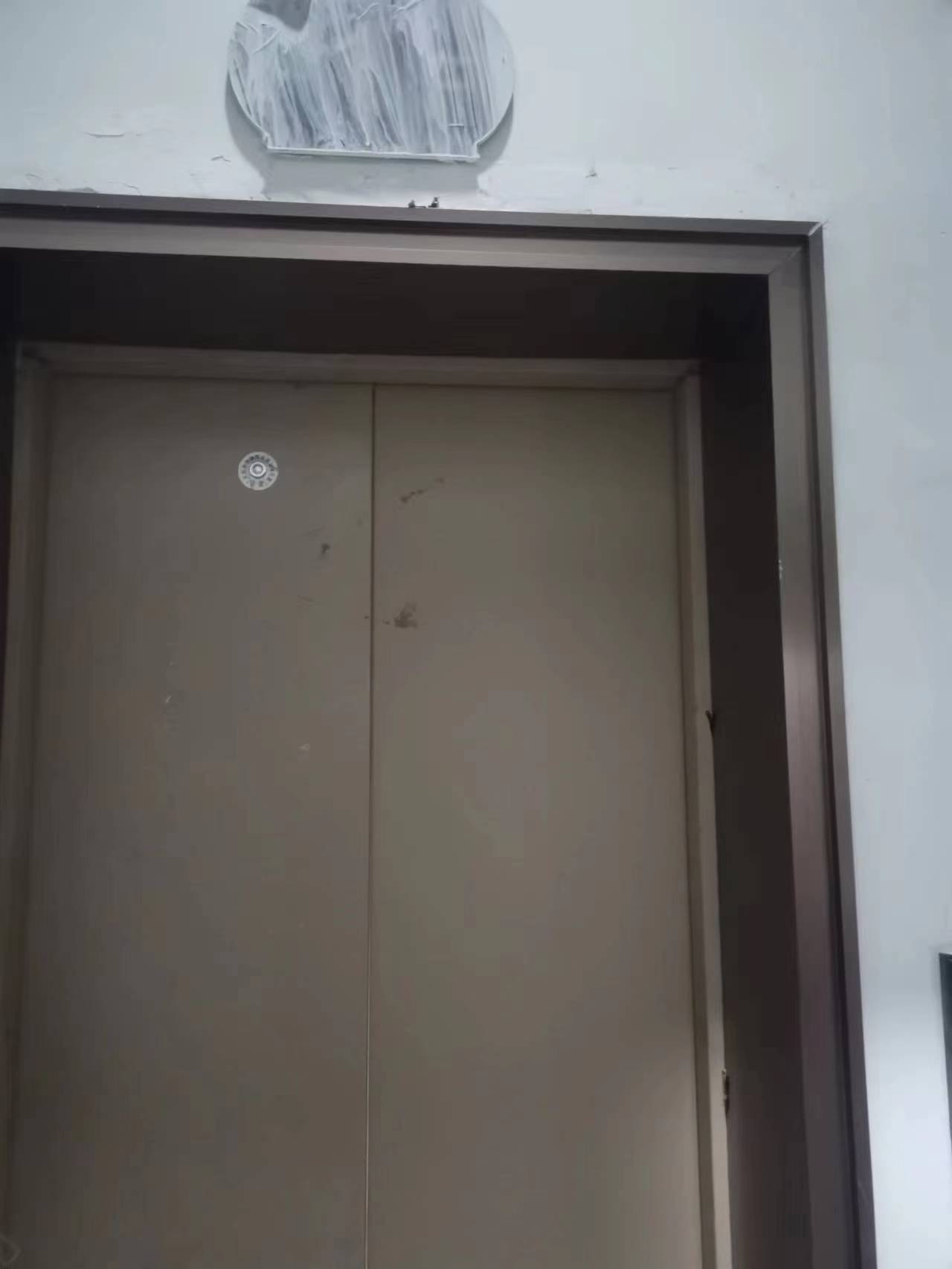
在現代建筑中,電梯不僅是垂直交通的核心樞紐,其出入口的裝飾也直接關系到整個公共空間的視覺品質。電梯門套作為包裹電梯門洞的裝飾構件,不僅承擔著遮擋縫隙、美化空間的指示性功能,更是保護墻體免受風壓和撞擊的重要屏障。隨著建筑裝飾工藝的升級,電梯門套在材質、分類及施工規范上都有了更為嚴格的標準。
In modern architecture, elevators are not only the core hub of vertical transportation, but the decoration of their entrances and exits also directly affects the visual quality of the entire public space. As a decorative component that wraps around the elevator door opening, the elevator door frame not only serves as an indicator for blocking gaps and beautifying the space, but also serves as an important barrier to protect the wall from wind pressure and impact. With the upgrading of architectural decoration technology, elevator door frames have stricter standards in terms of material, classification, and construction specifications.
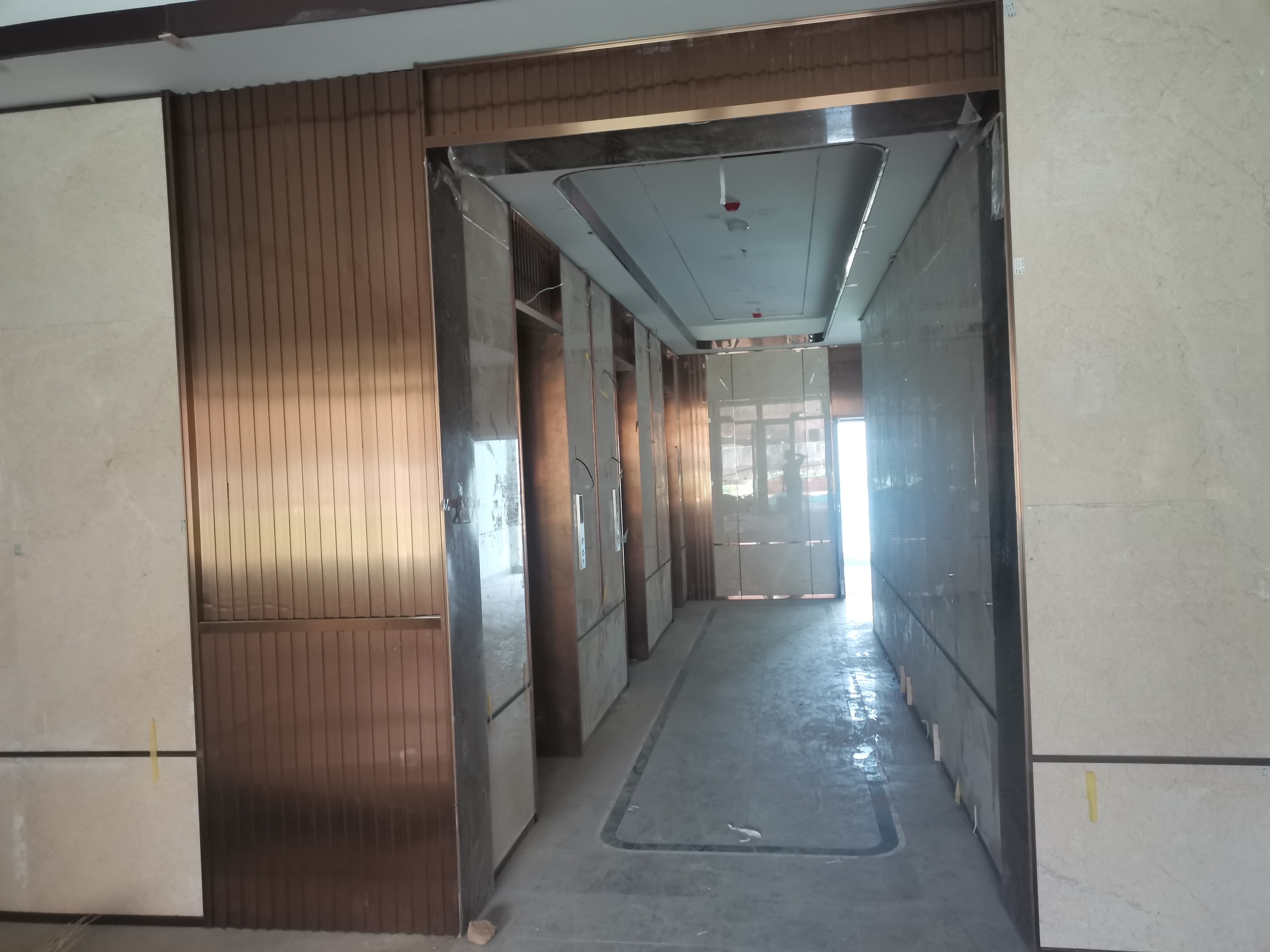
在結構分類上,電梯門套主要分為小門套與大門套。小門套通常是電梯出廠的標配配件,多為不銹鋼材質,主要用于固定門框并遮擋轎廂與外墻之間的縫隙;而大門套則是新型的裝飾性門套,包覆范圍更廣,能夠延伸至侯梯廳的墻體部分,不僅有效彌補了土建過程中的墻體偏差,還能通過豐富的材質和造型大幅提升空間的裝修檔次。
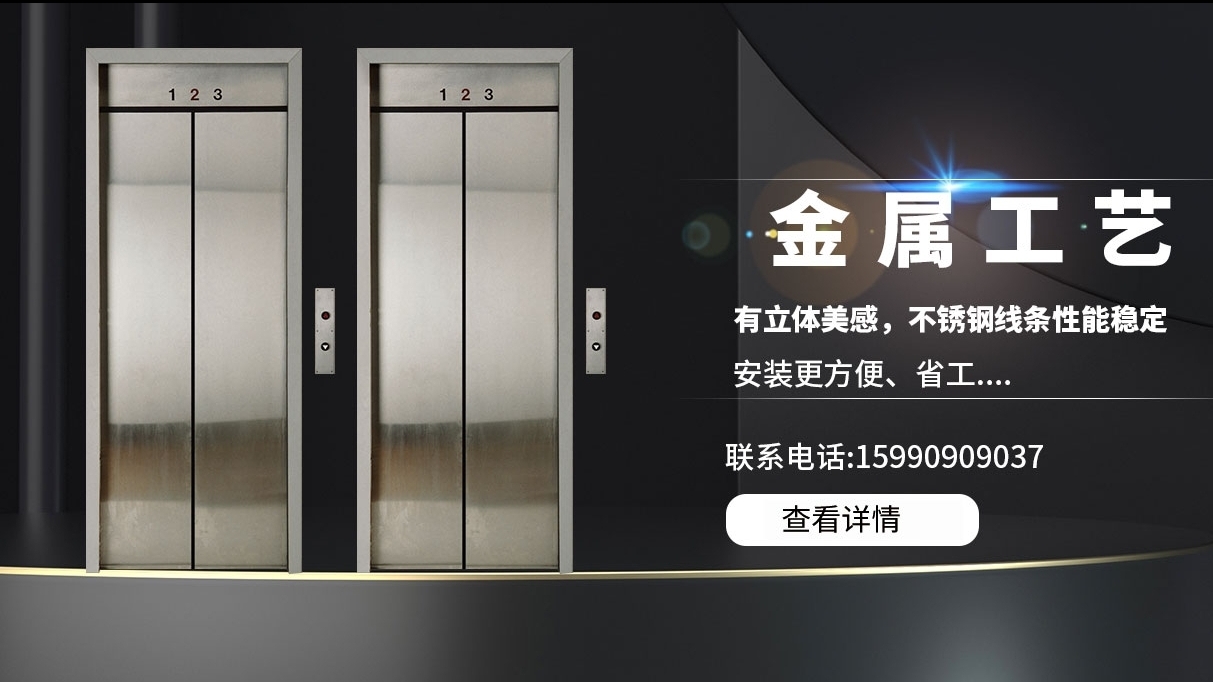
In terms of structural classification, elevator door frames are mainly divided into small door frames and large door frames. Small door frames are usually standard accessories for elevators when they leave the factory, mostly made of stainless steel material, mainly used to fix door frames and cover gaps between the car and the exterior wall; The main door frame is a new type of decorative door frame with a wider coverage range, which can extend to the wall of the waiting hall. It not only effectively compensates for the wall deviation in the civil construction process, but also greatly enhances the decoration level of the space through rich materials and shapes.
在材質選擇與性能規范方面,電梯門套面臨著更為嚴苛的考驗。作為人流量密集的公共設施,門套必須具備極高的抗撞擊強度,以抵御搬運重物或車輛進出時的意外碰撞。同時,消防安全與環保要求不容忽視,優質的門套材料需達到B1級或以上的阻燃標準,且在潮濕環境中需保持防水防潮、不開裂變形。目前,市場上主流的材料包括不銹鋼、天然大理石以及新型的石塑材料。其中,304不銹鋼因其防銹耐用成為首選,而石塑材料則憑借逼真的仿石紋理、零甲醛的環保特性以及極高的性價比,正逐步替代傳統天然石材,成為行業的新寵。
In terms of material selection and performance specifications, elevator door frames face more stringent tests. As a densely populated public facility, door frames must have extremely high impact resistance to resist accidental collisions when carrying heavy objects or vehicles in and out. At the same time, fire safety and environmental protection requirements cannot be ignored. High quality door frame materials must meet the B1 level or above flame retardant standards, and be waterproof, moisture-proof, and not crack or deform in humid environments. At present, the mainstream materials in the market include stainless steel, natural marble, and new types of stone plastic materials. Among them, 304 stainless steel has become the preferred choice due to its rust prevention and durability, while stone plastic materials are gradually replacing traditional natural stone and becoming the new favorite of the industry with their realistic stone like texture, zero formaldehyde environmental characteristics, and extremely high cost-effectiveness.
在施工安裝環節,電梯門套的工藝細節直接決定了最終效果。安裝前必須對墻面基層進行嚴格的找平處理,確保平整度誤差在允許范圍內。對于不銹鋼門套,需精準預留3-5mm的間隙以防止電梯門運行時產生摩擦異響,接縫處多采用45度對角拼接,并使用專用結構膠進行牢固固定。對于石塑或石材門套,則需使用專用石材膠粘貼,嚴禁使用普通水泥,以防后期出現返堿或變色問題。完工后的驗收需確保表面平滑無凹凸,敲擊無空鼓聲,且與電梯門的配合嚴密無碰撞。
In the construction and installation process, the craftsmanship details of the elevator door frame directly determine the final effect. Before installation, strict leveling treatment must be carried out on the wall base to ensure that the flatness error is within the allowable range. For stainless steel door frames, a precise gap of 3-5mm should be reserved to prevent friction noise during elevator door operation. The joints are often spliced diagonally at a 45 degree angle and firmly fixed with specialized structural adhesive. For stone plastic or stone door frames, special stone adhesive should be used for pasting, and ordinary cement is strictly prohibited to prevent alkali return or discoloration in the later stage. After completion, the acceptance should ensure that the surface is smooth and free of bumps and depressions, there is no hollow drum sound when struck, and the fit with the elevator door is tight and collision free.