

不銹鋼包口:現代空間極簡美學的“精致鎧甲”!
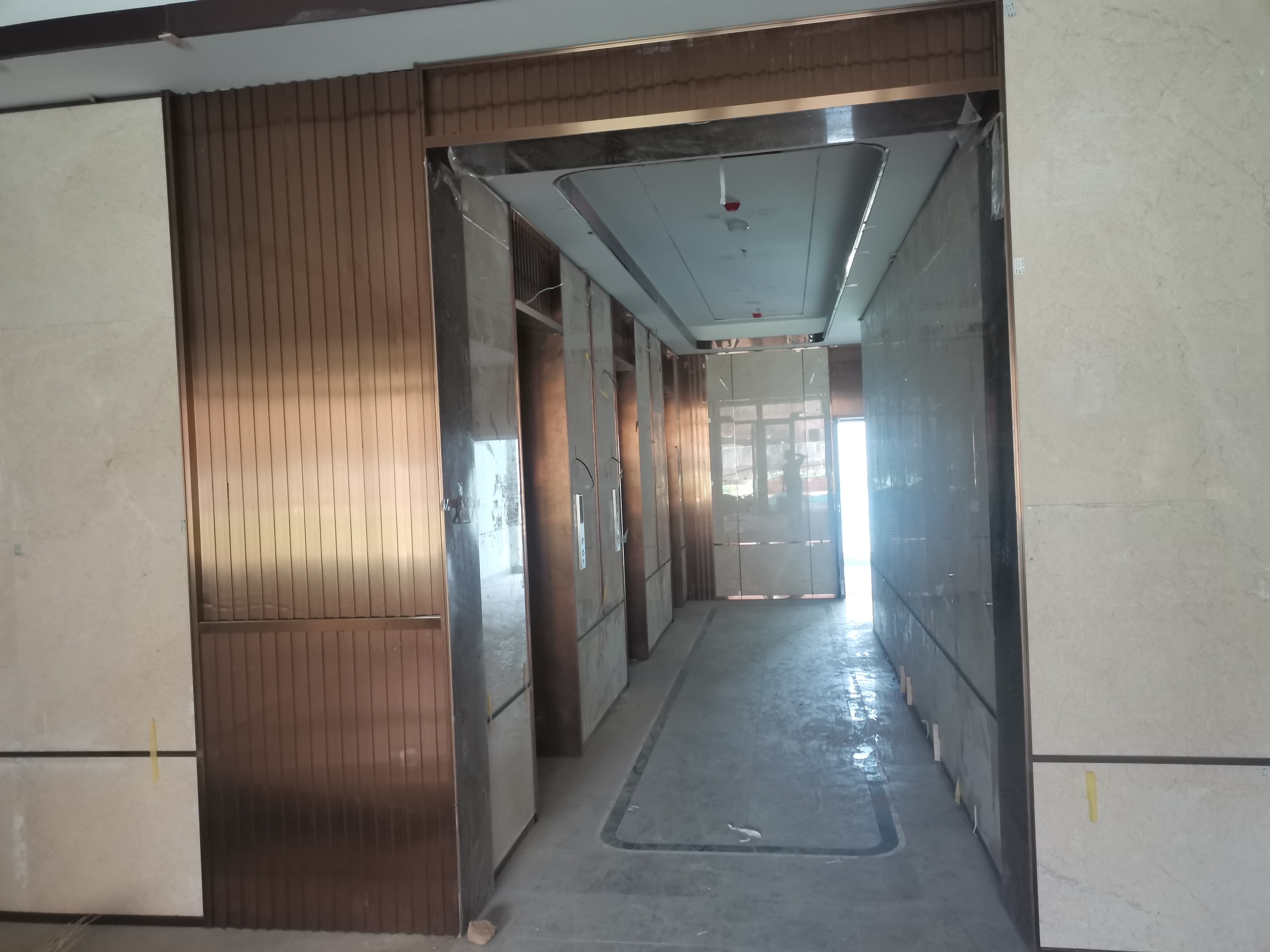
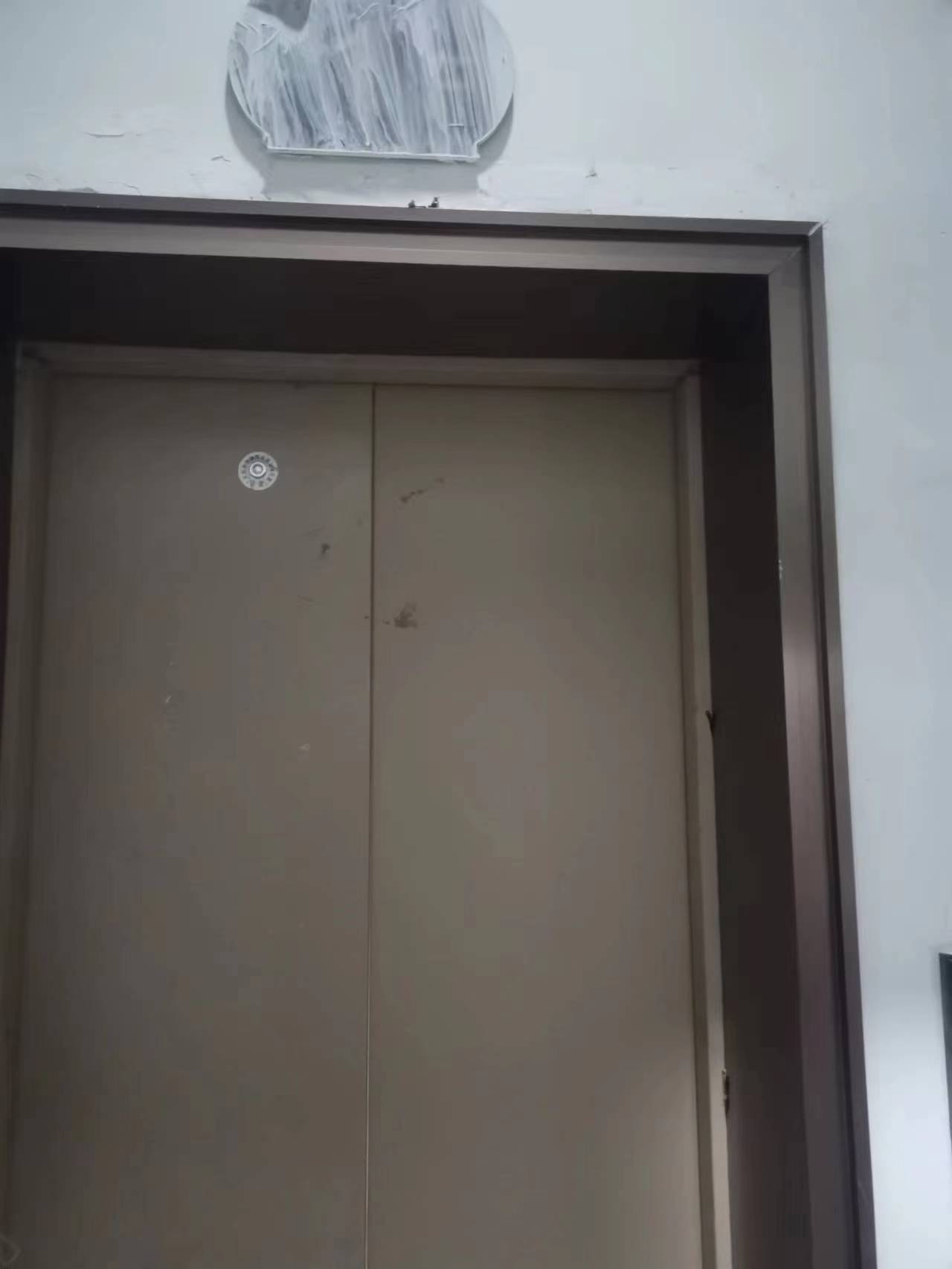
在現代室內裝修中,陽臺埡口、窗臺及門洞的收口處理直接關系到整體空間的質感與耐用性。不銹鋼包口憑借其卓越的物理性能和極簡的視覺效果,正逐漸取代傳統的木質門套,成為高端住宅與商業空間裝修的“新寵”。它不僅能為墻體邊緣提供堅固的物理防護,還能以極窄的線條勾勒出空間的立體感,完美契合當下流行的極簡主義風格。
In modern interior decoration, the closing treatment of balcony vents, window sills, and door openings directly affects the overall texture and durability of the space. Stainless steel cladding, with its excellent physical properties and minimalist visual effects, is gradually replacing traditional wooden door frames and becoming the "new favorite" of high-end residential and commercial space decoration. It not only provides strong physical protection for the edges of the wall, but also outlines the three-dimensional sense of the space with extremely narrow lines, perfectly matching the current popular minimalist style.

從材質選擇與表面處理來看,不銹鋼包口的設計需兼顧實用性與美觀度。在材質上,建議優先選用304不銹鋼,其具備優異的強度和耐腐蝕性,尤其適合溫差大或易產生冷凝水的環境(如北方城市或潮濕區域)。在表面處理工藝上,啞光或磨砂(如蘋果砂)是目前的優選方案。相較于亮面不銹鋼,啞光表面能有效吸收環境光,弱化金屬的冰冷感,且具備出色的防指紋、抗劃痕特性,日常打理更為便捷。此外,對于追求極致性價比的干燥區域,201不銹鋼也可作為備選。
From the perspective of material selection and surface treatment, the design of stainless steel cladding needs to balance practicality and aesthetics. In terms of material, it is recommended to prioritize the use of 304 stainless steel, which has excellent strength and corrosion resistance, especially suitable for environments with large temperature differences or prone to condensation (such as northern cities or humid areas). In terms of surface treatment technology, matte or frosted (such as apple cider) is currently the preferred solution. Compared to glossy stainless steel, matte surfaces can effectively absorb ambient light, weaken the icy feeling of metal, and have excellent anti fingerprint and anti scratch properties, making daily maintenance more convenient. In addition, for dry areas that pursue ultimate cost-effectiveness, 201 stainless steel can also be used as an alternative.
在施工工藝與安裝細節上,不銹鋼包口是一項對精度要求極高的“精密工程”。首先是基層處理,必須使用歐松板進行打底找平,且四周墻面需進行嚴格的順平工藝,確保垂直度與平整度誤差控制在毫米級,這是保證后期安裝嚴絲合縫的基礎。其次是尺寸把控,為凸顯精致感,不銹鋼包口的出墻厚度應盡量控制在1公分以內,真正落實“極窄邊”的視覺效果。在安裝固定時,通常采用泡沫膠粘貼輔以支架臨時頂撐的方式,待粘合牢固后撤除支架;對于異形或圓弧洞口,則需依賴工廠激光下料、冷焊打磨等高級工藝,以確保接縫處的平滑與牢固。
In terms of construction technology and installation details, stainless steel cladding is a "precision engineering" that requires extremely high precision. Firstly, the grassroots treatment requires the use of European pine boards for base leveling, and strict leveling processes must be applied to the surrounding walls to ensure that the verticality and flatness errors are controlled at the millimeter level, which is the foundation for ensuring seamless installation in the later stage. Next is size control. To highlight the exquisite feeling, the thickness of the stainless steel package opening should be controlled within 1 centimeter as much as possible to truly achieve the visual effect of "extremely narrow edges". During installation and fixation, foam glue is usually used to paste with temporary support of the support, and the support will be removed after the bonding is firm; For irregular or curved openings, advanced processes such as factory laser cutting, cold welding and polishing are required to ensure smooth and firm joints.